How to plan Raya, CNY and Deepavali content from one brief
A festive content calendar for Malaysian brands: the planning rule for dates that move each year, what to shoot for Raya, CNY and Deepavali, and one brief for all.
Plan the year’s festive content from one brief written at the start of the year, with a separate piece for each festival aimed at the community that celebrates it. Because Raya, Chinese New Year and Deepavali move every year, set each launch date from that year’s festival date and work backwards to the shoot date.
Below is the planning rule, what to shoot for each festival, and how one brief can cover all of them. It is for marketing managers in Malaysia who want their festive content shot on time, not in a rush the week before.
The planning rule, since the dates move
None of the 3 big festivals sits on a fixed Gregorian date.
- Hari Raya Aidilfitri falls on the first day of Shawwal, the month after Ramadan, and begins with the sighting of the new crescent moon. A lunar year is about 11 days shorter than a solar one, so Raya arrives earlier each year.
- Chinese New Year falls on the new moon between 21 January and 20 February.
- Deepavali falls between mid-October and mid-November.
Those are from Wikipedia, and the exact dates should be checked against the official holiday list each year. One thing follows from them: in 2026 and 2027, Raya lands in March, a few weeks after Chinese New Year. The first quarter can hold 2 festive campaigns.
The rule for the calendar comes from Zenweb’s guide to multicultural marketing in Malaysia: treat each major festival as its own campaign aimed at the community that celebrates it, launched 3 to 6 weeks before the date.
So each festival gets 3 dates in the brief, worked out backwards:
- The festival date, from that year’s official list.
- The launch date, 3 to 6 weeks before it.
- The shoot date, early enough that the delivery date in the quote, plus your own approval time, lands before the launch.
Write all of them down in January. A festival that shows up on the calendar 2 weeks out is too late to shoot well.
One brief for the whole year
You do not need a new brief for every festival. One document can hold the year, with a short section per festival.
For each one, write:
- The community it is for, and the language they prefer
- The 3 dates above
- What gets shot, and what can be made without a camera
- Who is on camera, and whether they are available that month
- Where it runs: organic, paid, in-store screens, a dealer’s pages
- Who approves it, and how long they need
Zenweb recommends 3 or 4 community-specific pushes a year. If you sell in Sabah or Sarawak, its list adds Kaamatan and Gawai to Chinese New Year, Raya and Deepavali. Our dealer work for Toyota, Proton and Haier was shot in Samarahan, Kuching and Miri, so we keep Gawai in mind alongside the other 3.
What to shoot for each festival
Zenweb gives one rule for all of them: show each festival as the community lives it, ideally with local talent, and never mix the symbols of one faith into another’s celebration. Within that, here is how we would plan the shoots.
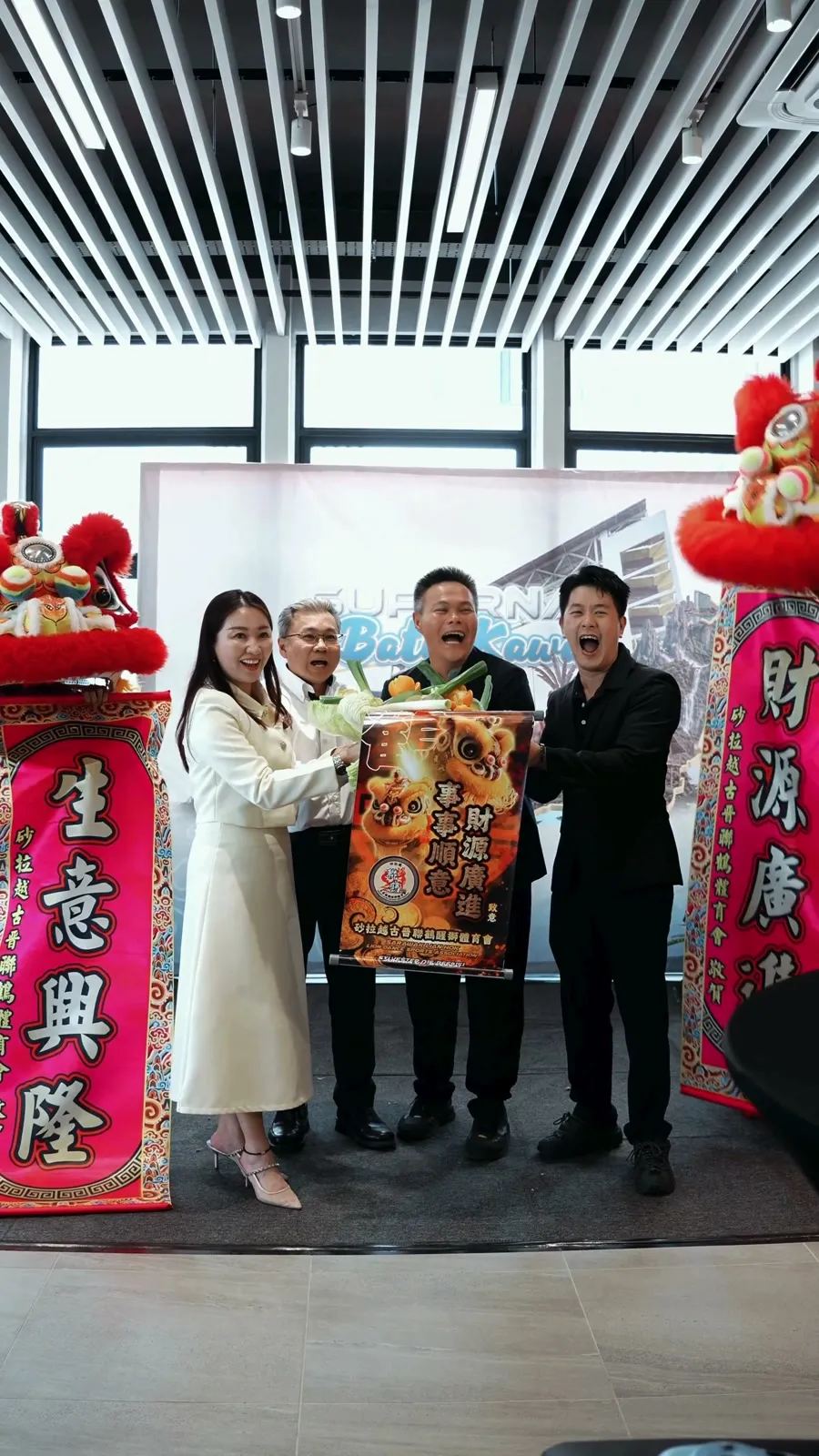
Chinese New Year. Mandarin is the natural lead language, and Zenweb’s guide says Chinese copy lifts results with Chinese Malaysians. For a showroom or outlet, a lion dance is the event to film. We shot one at the Proton Supernau opening in Kuching, with the VIP ceremony, and the same shot list works for a festive visit. A motion graphic greeting covers the brand’s own post.
Hari Raya Aidilfitri. BM leads, and the campaign starts during Ramadan, which Zenweb lists alongside Raya. Zenweb also notes that for Muslim audiences, product claims and imagery need care. If your presenter or crew is fasting, book the shoot for the morning and keep the day short.
Deepavali. Zenweb’s data on Meta leads by ad language shows English bringing in most leads from Indian-majority audiences, with BM second. Script in the language your own audience uses, and cast someone who celebrates the festival.
Year-end. Christmas dinners and company parties are not campaigns, but they are content. We have shot a Christmas dinner in a wood-panelled restaurant, with the party games, the presents and the crowd. Put them on the same calendar so the crew is booked before December fills up.
Festive pieces that do not need a shoot day
Not every festival needs a crew. A motion graphic built from your logo, your products and the festival’s greeting can carry the brand’s own post.
For Toyota Borneo Mobility, alongside the showroom rounds and the feature films, we made a Chinese New Year motion graphic. It runs 1 minute 4 seconds.
We would pair a motion piece with a filmed one for each festival. The filmed piece shows your people and your outlet. The motion piece goes out on the day itself.
Batching festive shoots into fewer days
If 2 festivals fall close together, you can sometimes shoot both on one day: presenter greetings, product shots and outlet footage. Keep the sets, wardrobe and props for each festival separate, and change everything between them, so nothing from one celebration appears in the other.
A batch day also gives you more than the festive piece. Our guide to what one batch shoot day produces covers how to plan the extra clips. For which language each piece should use, see one video in 3 languages or 3 videos and the rest of the multilingual video guides.
What to do next
Open a calendar for next year. Look up the official dates for each festival you serve, count back 3 to 6 weeks to the launch, then back again to the shoot. Write one brief with a section per festival.
Then send us the dates and a line on each job. We reply with a quote within 1 working day, and every festive piece gets its own delivery date in it.
Questions people ask
How should you plan around Raya, Chinese New Year and Deepavali?
Zenweb's guide to multicultural marketing in Malaysia says to treat each major festival as its own campaign aimed at the community that celebrates it, launched 3 to 6 weeks before the date. Work backwards from each launch date to set the shoot date, and plan all of them in one brief at the start of the year.
Why do festive dates change every year?
The 3 big festivals follow lunar or lunisolar calendars, not the Gregorian one. Hari Raya Aidilfitri falls on the first day of Shawwal in the Islamic calendar, Chinese New Year falls on a new moon between 21 January and 20 February, and Deepavali falls between mid-October and mid-November. Check the official dates each year before you lock a shoot.
Can one festive video work for every community?
Zenweb's guide says one generic festive season campaign misses the point, and recommends 3 or 4 community-specific pushes a year. It also warns never to mix the symbols of one faith into another's celebration. One brief can plan all of them, but each festival gets its own piece for its own audience.
Which festivals should brands plan for in Malaysia?
Zenweb lists Chinese New Year, Ramadan and Hari Raya Aidilfitri, and Deepavali, plus Kaamatan and Gawai in East Malaysia. If you sell in Sabah or Sarawak, those belong on the calendar too. Year-end parties and company dinners are worth adding for event coverage, even if they are not campaigns.
Does every festive piece need a shoot day?
No. A motion graphic built from your brand assets, like a Chinese New Year greeting, can be made without a camera. Save shoot days for the pieces that need people: a presenter greeting, a showroom event, a lion dance at your outlet. Mixing both keeps the calendar full without booking a crew for every festival.
Sources
- Zenweb, Multicultural marketing Malaysia: Malay, Chinese, Indian ads (festive campaigns, timing, cultural care, ad language by audience)
- Wikipedia, Eid al-Fitr (first day of Shawwal, moon sighting, dates by year)
- Wikipedia, Chinese New Year (new moon between 21 January and 20 February)
- Wikipedia, Diwali (mid-October to mid-November, lunar year about 11 days shorter)